
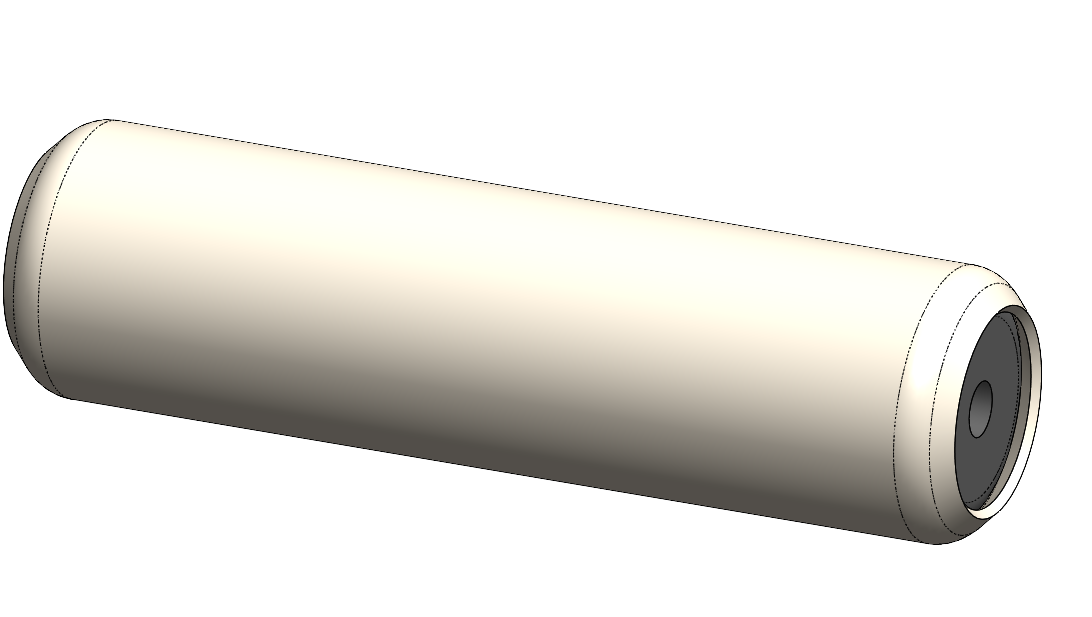
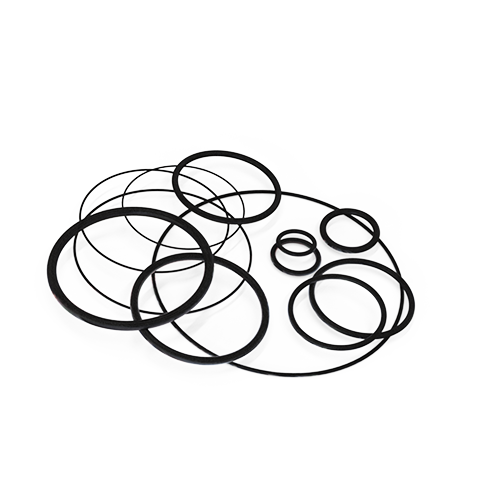
Heater Element Connection Seal


Need a custom quote?
Don't hesitate and reach us! Our customer service team would be happy to assist you.
1000+ Products Produced




More questions?
You might be interested
-

Guide to Compression Molding Companies for Cust...
What Can Be Made With Rubber Compression Molding? When an OEM needs a specific component to complete an assembly, standard off-the-shelf products often fall short. This is where custom rubber...
Guide to Compression Molding Companies for Cust...
What Can Be Made With Rubber Compression Molding? When an OEM needs a specific component to complete an assembly, standard off-the-shelf products often fall short. This is where custom rubber...
-

What Types of Rubber Molding Processes Are Most...
The rubber molding process is an essential service in the customization of rubber-based products. This service is primarily used in the automotive, marine, and construction industries, as well as for...
What Types of Rubber Molding Processes Are Most...
The rubber molding process is an essential service in the customization of rubber-based products. This service is primarily used in the automotive, marine, and construction industries, as well as for...
-

Rubber Gaskets and Rubber Seals: Why the Differ...
In the context of the manufacturing industry, the terms “rubber seals” and “rubber gaskets” are often confused or used interchangeably; however, it is important to emphasize that, although they may...
Rubber Gaskets and Rubber Seals: Why the Differ...
In the context of the manufacturing industry, the terms “rubber seals” and “rubber gaskets” are often confused or used interchangeably; however, it is important to emphasize that, although they may...
-

How Custom Window Seals Are Made: Extrusion vs....
Custom window seals can be manufactured through rubber extrusion or compression molding, depending on their geometry. Extrusion is generally suited to continuous profiles with a consistent cross-section, while compression molding...
How Custom Window Seals Are Made: Extrusion vs....
Custom window seals can be manufactured through rubber extrusion or compression molding, depending on their geometry. Extrusion is generally suited to continuous profiles with a consistent cross-section, while compression molding...
-

How to Design Parts for Rubber Compression Molding
Why Part Design Matters in Rubber Compression Molding In industrial manufacturing, the long-term performance and unit cost of a component are established long before the first production cycle begins. When...
How to Design Parts for Rubber Compression Molding
Why Part Design Matters in Rubber Compression Molding In industrial manufacturing, the long-term performance and unit cost of a component are established long before the first production cycle begins. When...
-

Polyurethane vs Rubber Molding: Process, Benefi...
In many industrial applications, the choice of material can be as important as the design itself. Polyurethane and rubber offer distinct properties that directly impact product performance, longevity, and overall...
Polyurethane vs Rubber Molding: Process, Benefi...
In many industrial applications, the choice of material can be as important as the design itself. Polyurethane and rubber offer distinct properties that directly impact product performance, longevity, and overall...
-

Rubber Extrusion vs Compression Molding: Key Di...
Selecting the right production method for industrial components is a critical decision that impacts every stage of a product's lifecycle. In the world of rubber manufacturing, two processes dominate the...
Rubber Extrusion vs Compression Molding: Key Di...
Selecting the right production method for industrial components is a critical decision that impacts every stage of a product's lifecycle. In the world of rubber manufacturing, two processes dominate the...
-

Dimensional Inspection Challenges in Custom Mol...
For OEM engineers and technical buyers, dimensional inspection is often treated as a straightforward quality step: compare a part against the drawing and confirm it is within tolerance. In practice,...
Dimensional Inspection Challenges in Custom Mol...
For OEM engineers and technical buyers, dimensional inspection is often treated as a straightforward quality step: compare a part against the drawing and confirm it is within tolerance. In practice,...
-

Custom Rubber Molding Services: A Capabilities ...
Navigating the landscape of rubber manufacturing can be complex. Choosing the right process—whether it be compression molding, transfer molding, or injection molding—is vital for balancing cost, quality, and production speed.
Custom Rubber Molding Services: A Capabilities ...
Navigating the landscape of rubber manufacturing can be complex. Choosing the right process—whether it be compression molding, transfer molding, or injection molding—is vital for balancing cost, quality, and production speed.
-

Compression Molding Companies: When This Proces...
In the complex landscape of industrial production, selecting the right fabrication method for rubber components is a critical decision that impacts product performance, durability, and total cost of ownership. While...
Compression Molding Companies: When This Proces...
In the complex landscape of industrial production, selecting the right fabrication method for rubber components is a critical decision that impacts product performance, durability, and total cost of ownership. While...
-

Custom molded rubber parts for industrial appli...
In the complex landscape of modern manufacturing, the success of a massive piece of machinery often depends on its smallest components. Among these, custom molded rubber parts serve as the...
Custom molded rubber parts for industrial appli...
In the complex landscape of modern manufacturing, the success of a massive piece of machinery often depends on its smallest components. Among these, custom molded rubber parts serve as the...
-

Injection Molding vs Compression Molding: How Y...
When OEM buyers and product engineers evaluate rubber components, one of the most common early-stage questions is: Should this part be produced using injection molding or compression molding? Choosing the...
Injection Molding vs Compression Molding: How Y...
When OEM buyers and product engineers evaluate rubber components, one of the most common early-stage questions is: Should this part be produced using injection molding or compression molding? Choosing the...


