
Collection: Materials
Precision-Engineered Materials for Critical Applications
Rubber Mexico specializes in custom molding and fabrication across a comprehensive range of elastomers and polymers. Our material expertise enables us to deliver high-performance components for automotive, industrial, and commercial applications.
Materials We Work With
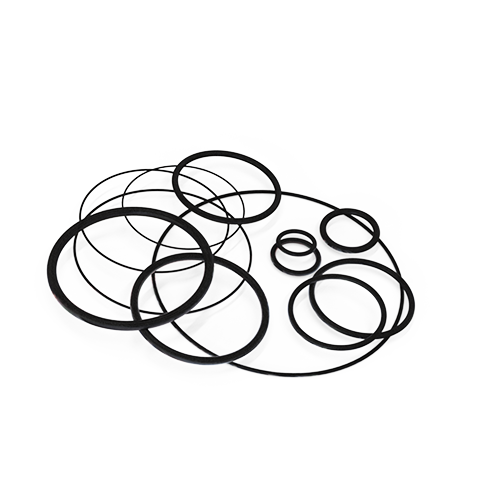
- Rubber Compounds – Natural rubber, EPDM, neoprene, nitrile, silicone, and specialty blends engineered for temperature, chemical, and environmental resistance
- Thermoplastics – TPE, TPU, TPV, and engineered thermoplastic elastomers for flexible, durable components
- Polyurethanes – Cast and molded urethanes offering superior abrasion resistance and load-bearing performance
- Bonded Assemblies – Rubber-to-metal and rubber-to-substrate bonding for integrated OEM components
Every material is selected and processed to meet your exact specifications, with in-house mold making and precision molding capabilities ensuring consistent quality and fast turnaround.


Rubber Laboratory
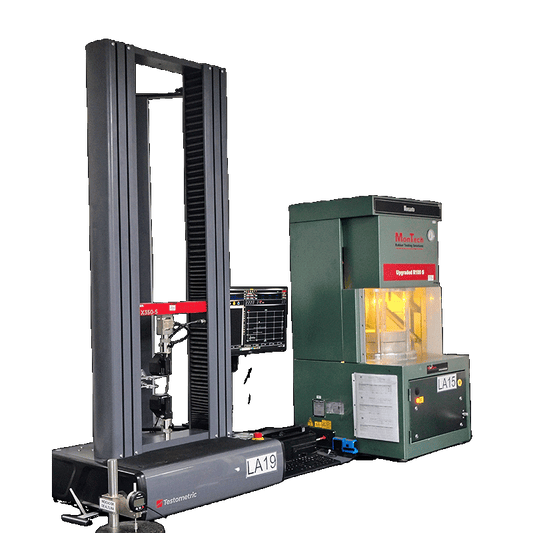
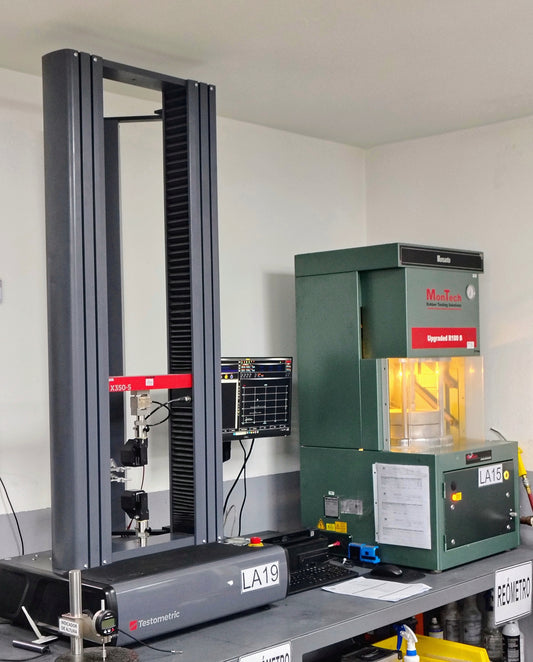
We have a full service laboratory dedicated to compound development and material quality control. We have a team of chemical engineers, with a strong team that has developed hundreds of compounds over decades to met our customer requirements
Material Types










Contact form
You might be interested
-

Which Rubber Compound Is Best for Chemical Resi...
The starting point of the entire process when manufacturing custom industrial rubber products is the selection of the material from which the product will be made; since each product is...
Which Rubber Compound Is Best for Chemical Resi...
The starting point of the entire process when manufacturing custom industrial rubber products is the selection of the material from which the product will be made; since each product is...
-

Natural Rubber vs Silicone Rubber: Choosing the...
Why Material Selection Matters in Custom Rubber Products When designing and manufacturing custom rubber products, engineers, procurement teams, and original equipment manufacturers (OEMs) face a critical choice. Selecting the appropriate...
Natural Rubber vs Silicone Rubber: Choosing the...
Why Material Selection Matters in Custom Rubber Products When designing and manufacturing custom rubber products, engineers, procurement teams, and original equipment manufacturers (OEMs) face a critical choice. Selecting the appropriate...
-

Custom molded rubber parts for industrial appli...
In the complex landscape of modern manufacturing, the success of a massive piece of machinery often depends on its smallest components. Among these, custom molded rubber parts serve as the...
Custom molded rubber parts for industrial appli...
In the complex landscape of modern manufacturing, the success of a massive piece of machinery often depends on its smallest components. Among these, custom molded rubber parts serve as the...
-

Industrial Rubber Components: Applications Acro...
Introduction – Why Industrial Rubber Matters in Modern Manufacturing Industrial rubber plays a critical role in modern equipment, vehicles, infrastructure, and processing systems. Although often small and inexpensive compared to...
Industrial Rubber Components: Applications Acro...
Introduction – Why Industrial Rubber Matters in Modern Manufacturing Industrial rubber plays a critical role in modern equipment, vehicles, infrastructure, and processing systems. Although often small and inexpensive compared to...
-

Scrap Reduction Strategies in Rubber Molding: A...
Scrap reduction is one of the most persistent challenges in rubber molding. For manufacturing engineers and product designers, scrap is more than a cost issue—it directly impacts process stability, quality...
Scrap Reduction Strategies in Rubber Molding: A...
Scrap reduction is one of the most persistent challenges in rubber molding. For manufacturing engineers and product designers, scrap is more than a cost issue—it directly impacts process stability, quality...
-

Why Rubber and Silicone Are Essential for Your ...
In today’s industries, choosing the right material can make or break a project. From automotive systems to outdoor electronics, durability, resilience, and performance under harsh conditions are critical. In this post, we...
Why Rubber and Silicone Are Essential for Your ...
In today’s industries, choosing the right material can make or break a project. From automotive systems to outdoor electronics, durability, resilience, and performance under harsh conditions are critical. In this post, we...
-

All the Rubber Products We Manage Detail Explained
Rubber materials or elastomers used in sealing applications are often described as rubber compounds; meaning that they are a mixture of ingredients manufactured under specific conditions. A compound typically comprises...
All the Rubber Products We Manage Detail Explained
Rubber materials or elastomers used in sealing applications are often described as rubber compounds; meaning that they are a mixture of ingredients manufactured under specific conditions. A compound typically comprises...
-

How to choose the right silicone hose? Comparis...
In multiple industries—from automotive and aerospace to pharmaceutical and food—silicone rubber hoses are a reliable and versatile solution. However, not all applications require the same configuration. Variations in composition and...
How to choose the right silicone hose? Comparis...
In multiple industries—from automotive and aerospace to pharmaceutical and food—silicone rubber hoses are a reliable and versatile solution. However, not all applications require the same configuration. Variations in composition and...
-

Competitive advantages of in-house Testing Faci...
In the competitive rubber molding industry, integrating in-house chemical labs, compound mixing, and material testing facilities significantly boosts product quality and efficiency. These capabilities enhance quality control, reduce costs, support...
Competitive advantages of in-house Testing Faci...
In the competitive rubber molding industry, integrating in-house chemical labs, compound mixing, and material testing facilities significantly boosts product quality and efficiency. These capabilities enhance quality control, reduce costs, support...


