


Custom Hose Construction and Performance Capabilities
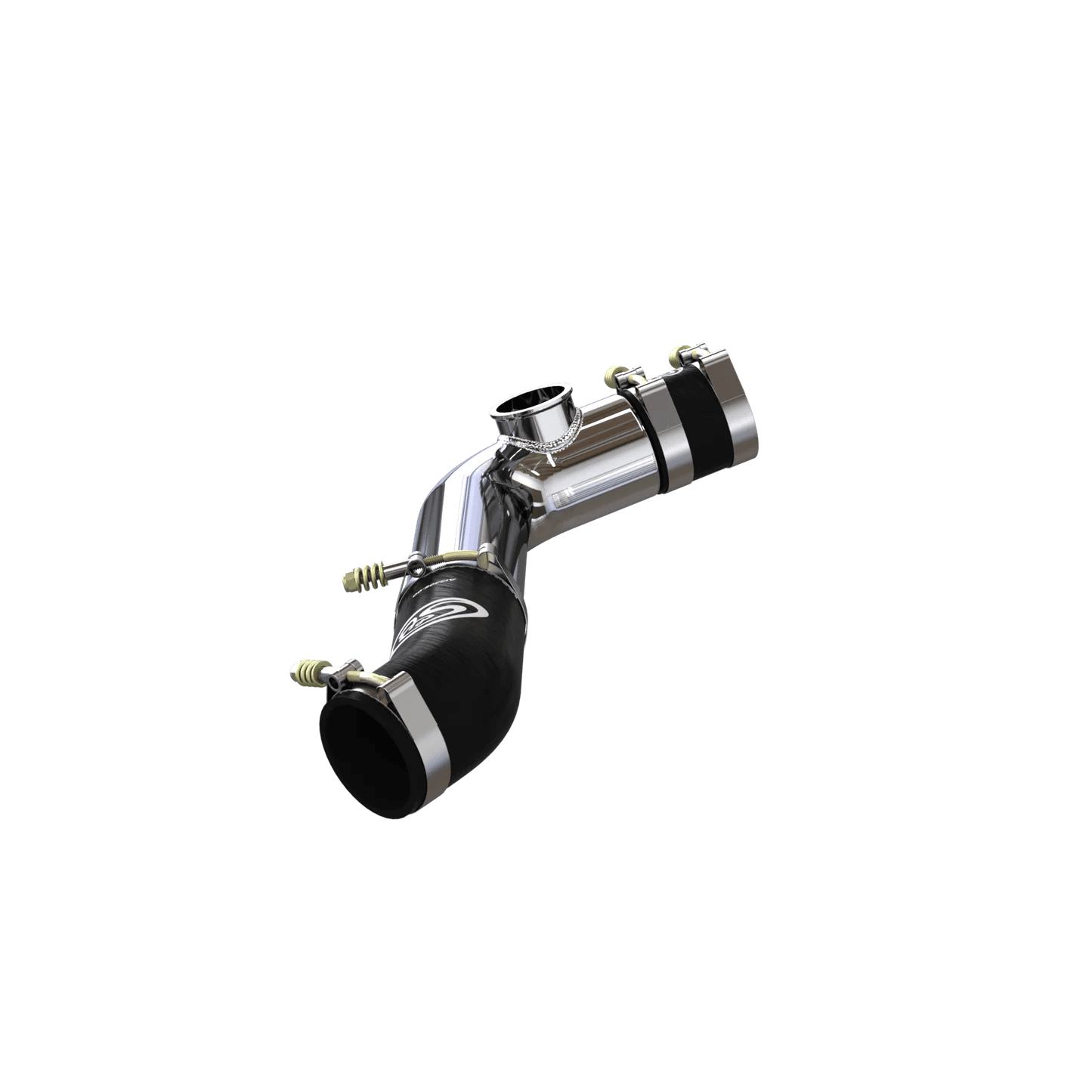
Explore our precision-engineered mandrel-formed hoses, crafted for exceptional durability and performance in demanding industries. Designed to handle the toughest applications, our hoses offer the perfect balance of strength, flexibility, and reliability. Whether you need high-performance capabilities or custom specifications, our advanced manufacturing techniques provide tailored solutions that ensure a perfect fit for your unique needs. Discover the ideal solution for your business by browsing our range of high-quality hoses.

Reinforcement Options for Mandrel-Formed Hoses
We offer a variety of reinforcement options for our silicone hoses, including Nomex/Aramid, polyester, and fiberglass. These reinforcements enhance the strength and durability of your hoses, making them ideal for high-performance applications in demanding environments like automotive, industrial, and aerospace

Integrated Calendering for Reinforced Hose Manufacturing
For reinforced mandrel-formed hoses, material consistency is critical. Rubber calendering allows us to produce precise rubber sheets and apply rubber compounds to reinforcement fabrics before they are formed into the final hose construction.
This process helps support consistent wall thickness, strong rubber-to-fabric adhesion, and reliable performance in demanding applications where pressure resistance, flexibility, chemical compatibility, and durability are essential.
At Rubber Mexico, our calendering capabilities can support hose constructions that use silicone, FKM, fluorosilicone, NBR, SBR, and other rubber compounds, as well as reinforcement fabrics such as polyester, Nomex/Aramid, and fiberglass.
Need a quote?
Don't hesitate and reach us! Our customer service team would be happy to assist you.
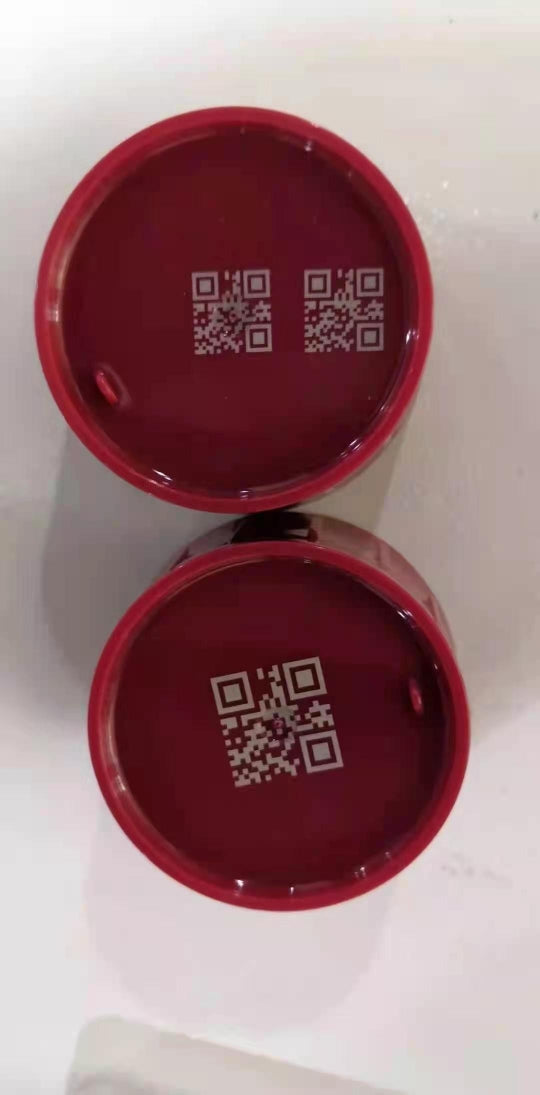
Want to add text or logos to your mandrel formed hoses?



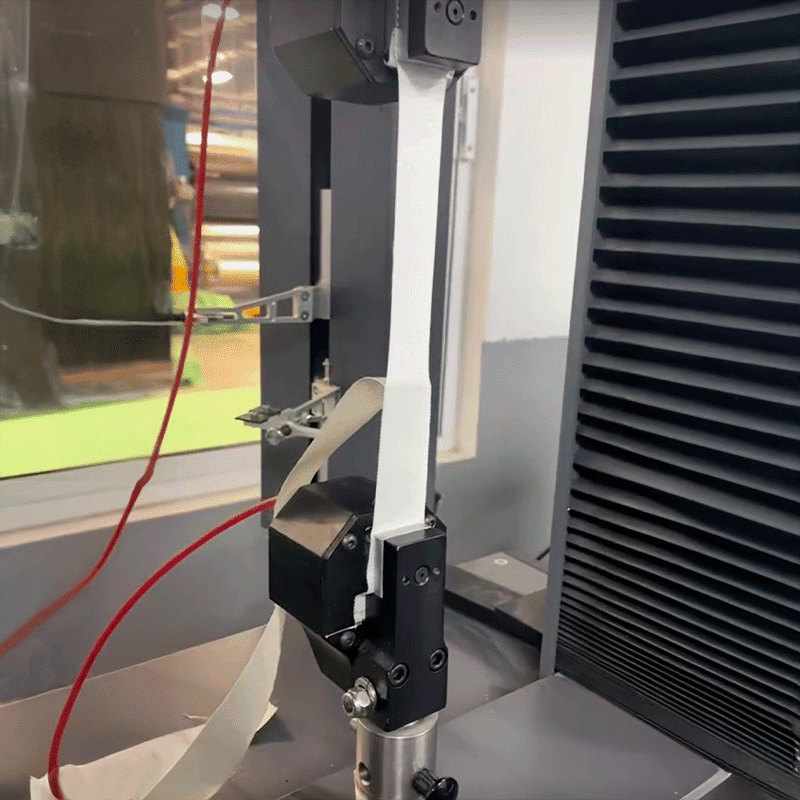
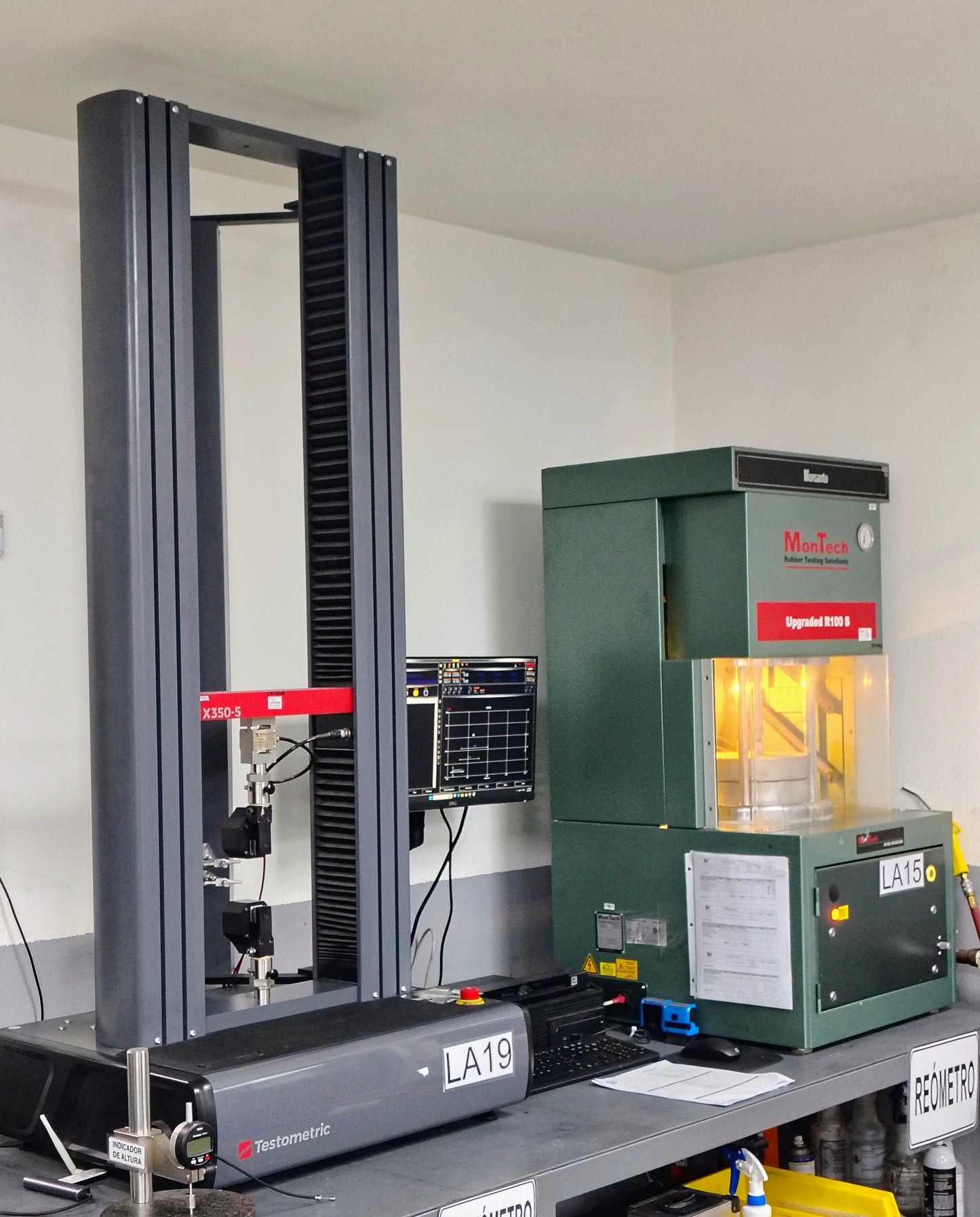
Quality Testing and Inspection for Mandrel-Formed Hoses
For parts up to 80mm in diameter and 30mm tall, we can do a 100% inspection with the top-of-the-line visual inspection system that can inspect up to 14 parts per second. Our equipment can measure the cross-section, visually inspect surfaces using AI, detect/measure flash, measure flatness, and check for the presence of bubbles/cuts or fractures, ensuring every part is defect-free. For larger parts, we also have 3D scanners, probes, and a Keyence IM8030T visual inspection system for spot or sample measurements.




Request a Custom Mandrel-Formed Hose Quote
You might be interested
-

Manufacturing Challenges in Mandrel Formed Hose...
In demanding industrial and automotive systems, hose performance often has a direct impact on system reliability, durability, and safety. Among the various hose manufacturing methods available, Mandrel Formed Hoses remain...
Manufacturing Challenges in Mandrel Formed Hose...
In demanding industrial and automotive systems, hose performance often has a direct impact on system reliability, durability, and safety. Among the various hose manufacturing methods available, Mandrel Formed Hoses remain...
-

Hose Manufacturer Guide: Extruded, Molded & Man...
Choosing the correct rubber component for an industrial application is rarely a "one size fits all" decision. In the world of Original Equipment Manufacturing (OEM), selecting the right hose manufacturer...
Hose Manufacturer Guide: Extruded, Molded & Man...
Choosing the correct rubber component for an industrial application is rarely a "one size fits all" decision. In the world of Original Equipment Manufacturing (OEM), selecting the right hose manufacturer...
-

Mandrel Formed Hoses: Manufacturing Process Exp...
Many industrial applications depend on hoses that must resist extreme conditions, including high pressure, fluctuating temperatures, and aggressive chemicals. However, not all hoses are created equal. When a system requires...
Mandrel Formed Hoses: Manufacturing Process Exp...
Many industrial applications depend on hoses that must resist extreme conditions, including high pressure, fluctuating temperatures, and aggressive chemicals. However, not all hoses are created equal. When a system requires...


